



Why Hard Money Is the Smart Play When You’re Flipping a HouseAnd why Corridor Funding is the resource to call firstBanks are built for owner-occupied homes with clean appraisals and a 30 day

Dated: December 29 2025
Views: 279
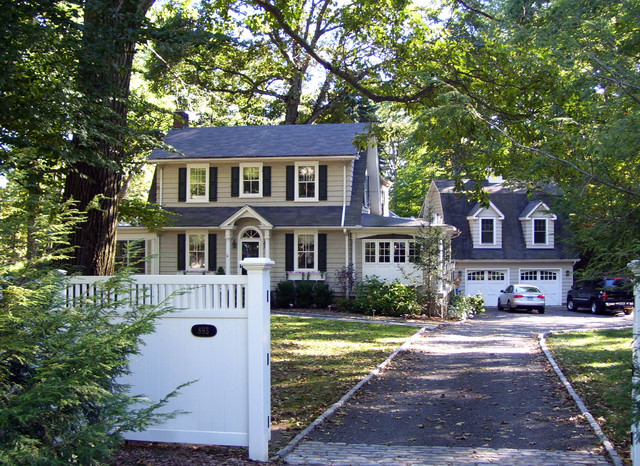
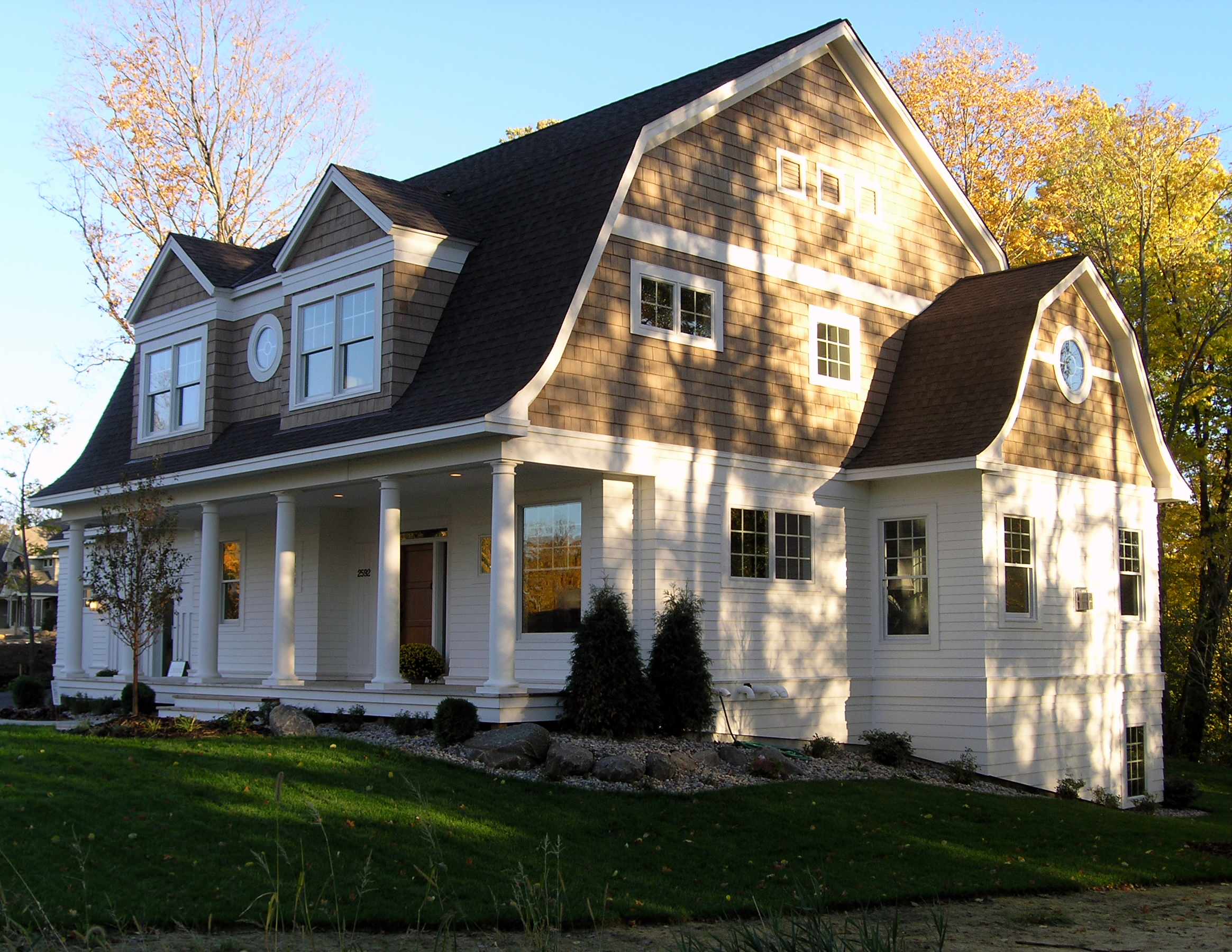
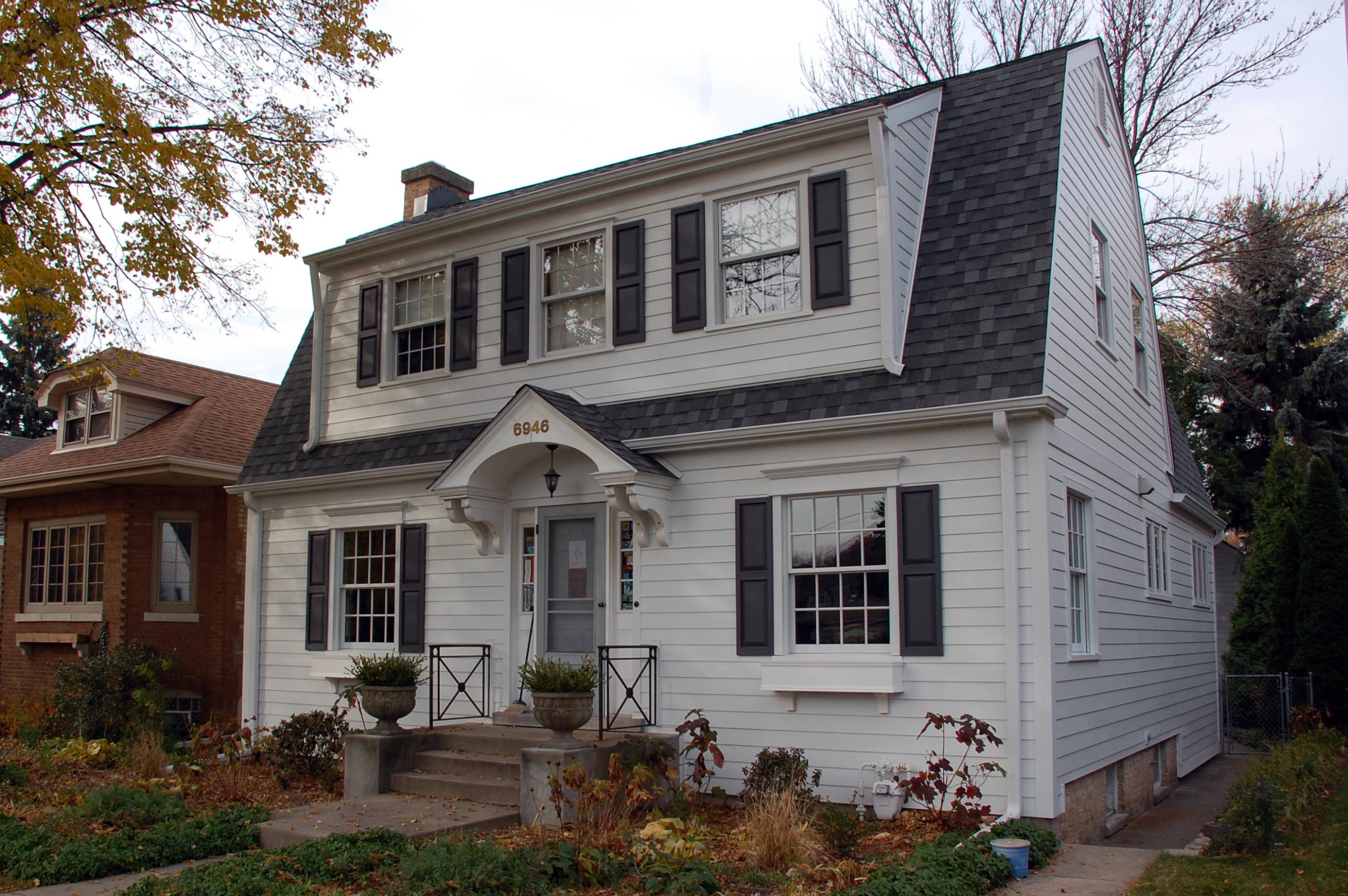
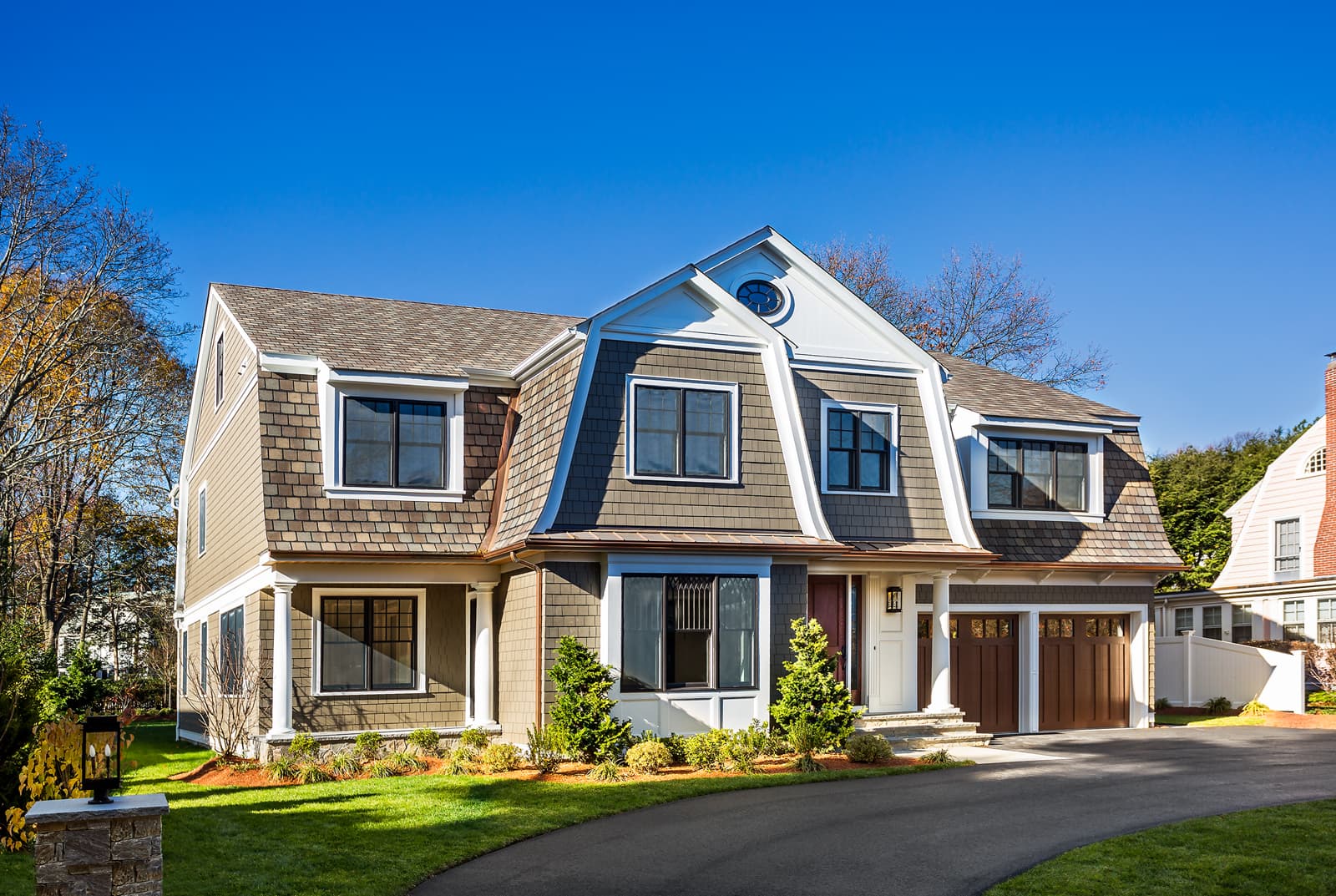
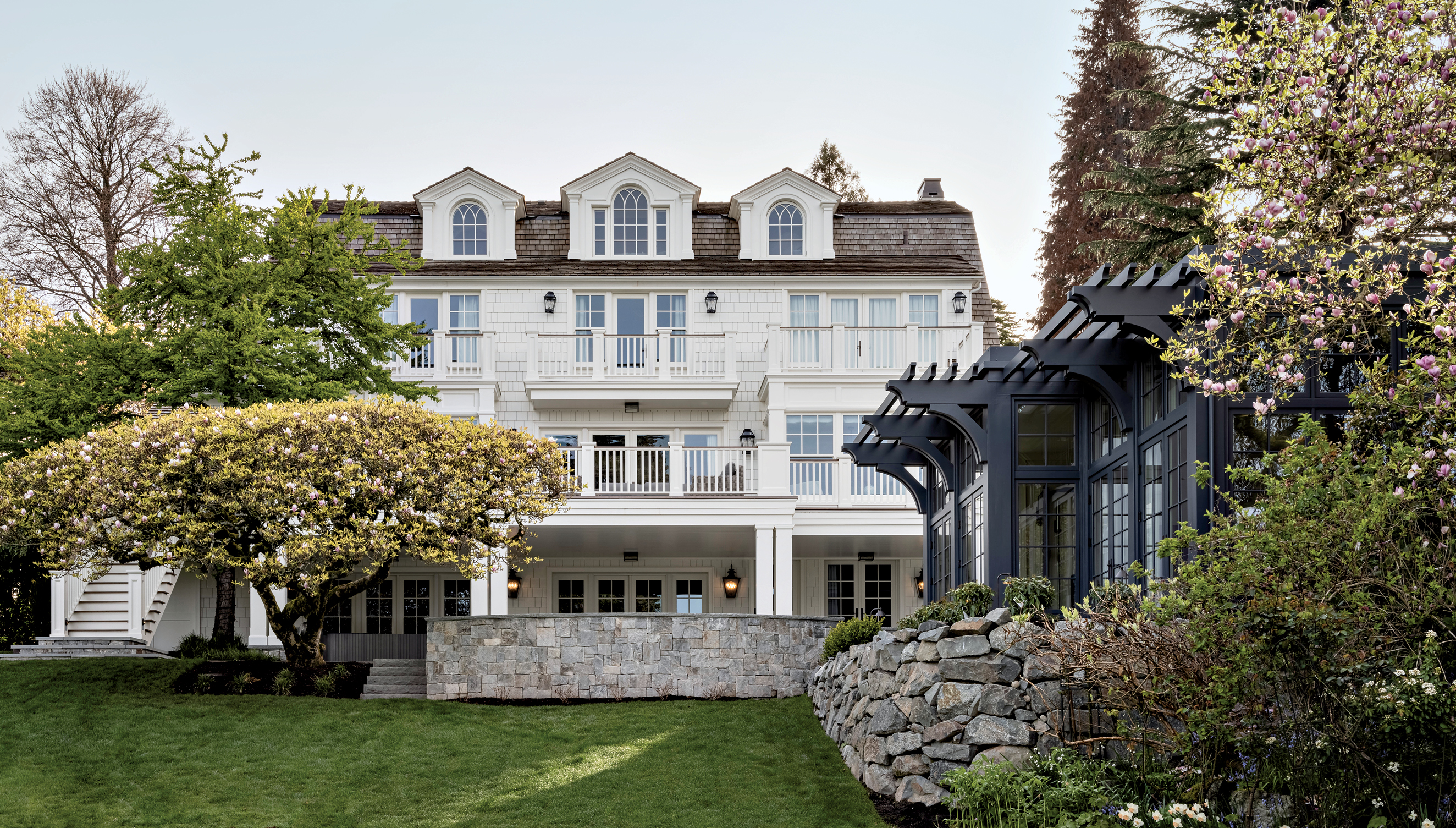
Dutch Colonial Revival homes hold a special place in American architectural history. With their distinctive gambrel roofs—those barn-like, double-pitched designs that maximize upstairs space—these houses evoke a sense of cozy, enduring elegance. Popularized in the early 20th century, they blend practicality with classic appeal, often featuring symmetrical facades, flared eaves, dormer windows, and exteriors clad in brick, shingles, or clapboard.
What makes them so beloved? The gambrel roof not only adds character but also provides ample headroom on the second floor without the full height (and cost) of a traditional two-story home. Many include welcoming porches, sidelights around the front door, and functional layouts that feel both historic and livable.
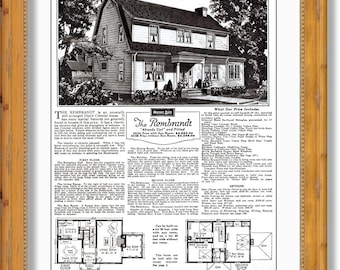
In the 1920s, the dream of owning a beautiful home became accessible to middle-class families thanks to companies like Sears, Roebuck and Co. From 1908 to 1940, Sears sold over 70,000 kit homes through their Modern Homes catalog. These weren't just plans—they were complete prefabricated kits shipped by rail, including pre-cut lumber, nails, windows, doors, and even paint.
Dutch Colonial Revival was one of the most popular styles in the Sears lineup. Models like the Rembrandt (described as an "unusually well arranged Dutch Colonial house"), Martha Washington, Verona, Priscilla, and Puritan captured the era's nostalgia for colonial roots while offering modern conveniences.
Prices ranged widely, but many Dutch Colonial kits fell in the $1,000 to $4,000 bracket. For instance, a solid mid-range model around $2,636 in the mid-1920s would include everything needed to build a spacious family home with multiple bedrooms, a reception hall, and thoughtful details like built-in ironing boards or sunrooms. Adjusted for inflation using Consumer Price Index data, that $2,636 from 1925 equates to roughly $47,000–$50,000 in today's dollars—astonishingly affordable for a full house kit (excluding land, foundation, and labor).
Sears even offered financing, making homeownership a reality for thousands during the booming 1920s.
Fast-forward to 2025, and Dutch Colonial Revival homes remain highly desirable. Original Sears models or similar revivals from the 1920s–1930s often command premium prices due to their historic charm, solid construction, and character that's hard to replicate in new builds.
Restored or updated versions blend vintage appeal with modern amenities—think open kitchens, updated bathrooms, and energy-efficient features while preserving gambrel roofs and classic symmetry.
Market prices vary by location, condition, and size, but a well-maintained 1920s-era Dutch Colonial typically sells for $400,000 to $800,000 or more in suburban or urban areas across the U.S. In high-demand regions like the Northeast or Midwest, authenticated Sears homes can fetch even higher due to their rarity and story. New builds or revivals in the style often start around $500,000–$700,000 for comparable sizes.
What accounts for the jump from a 1920s kit price of $2,636 (about $48,000 adjusted) to today's half-million-dollar tags? Beyond inflation, factors include skyrocketing land costs, labor, materials, modern building codes, and the premium on historic character in an era of cookie-cutter subdivisions.
Yet, these homes prove that good design stands the test of time. Whether you're hunting for a piece of history or dreaming of a gambrel-roofed retreat, Dutch Colonials continue to captivate—just as they did a century ago.

Hi, I'm Doug Tarter, your trusted local Realtor serving South Utah County with a passion for helping people find the home that truly fits their life. What sets me apart? I sell what others can't. Whe....
Why Hard Money Is the Smart Play When You’re Flipping a HouseAnd why Corridor Funding is the resource to call firstBanks are built for owner-occupied homes with clean appraisals and a 30 day
Doug TarterReal Estate • UtahHomeSearchSellMAS ProgramBlogContactSeller Strategy • Utah Real Estate • 2026Why Your Home Didn't Sell —And the System Built to Fix ItIntroducing
The Importance of Owning Property: A Focus on Buying Real Estate in UtahOwning real estate represents one of the most significant financial and personal decisions an individual or family can make.
Navigating the Real Estate Market: Why Choosing the Right Agent Makes All the DifferenceBuying or selling a home is one of the most significant financial decisions you'll ever make. Whether you're a
 The multiple listing information is provided by Park City Board of Realtors® from a copyrighted compilation of listings. The compilation of listings and each individual listing are © 2026 Park City Board of Realtors®, All Rights Reserved. Access to the multiple listing information through this website is made available by Keller Williams Park City Real Estate as a member of the Park City Board of Realtors® multiple listing service.
The information provided is for consumers'
personal, non-commercial use and may not be used for any purpose other than to identify prospective properties consumers may be interested in purchasing. All properties are subject to prior sale or withdrawal. All information provided is deemed reliable but is not guaranteed accurate, and should be independently verified.
Data last updated: September 12, 2026 7:51 PM UTC
Show More...
 Wasatch Front Regional MLS - Salt Lake Board of REALTORS® All information deemed reliable but not guaranteed. All properties are subject to prior sale, change or withdrawal. Neither listing broker(s) or information provider(s) shall be responsible for any typographical errors, misinformation, misprints and shall be held totally harmless. Listing(s) information is provided for consumer's personal, non-commercial use and may not be used for any purpose other than to identify prospective properties
consumers may be interested in purchasing. The data relating to real estate for sale on this website comes in part from the Internet Data Exchange program of the Multiple Listing Service. Real estate listings held by brokerage firms other than REMAX Associates may be marked with the Internet Data Exchange logo and detailed information about those properties will include the name of the listing broker(s) when required by the MLS. Copyright ©2026 All rights reserved.
Last Updated: September 12, 2026 7:35 PM UTC
Show More...
Wasatch Front Regional MLS - Salt Lake Board of REALTORS® All information deemed reliable but not guaranteed. All properties are subject to prior sale, change or withdrawal. Neither listing broker(s) or information provider(s) shall be responsible for any typographical errors, misinformation, misprints and shall be held totally harmless. Listing(s) information is provided for consumer's personal, non-commercial use and may not be used for any purpose other than to identify prospective properties
consumers may be interested in purchasing. The data relating to real estate for sale on this website comes in part from the Internet Data Exchange program of the Multiple Listing Service. Real estate listings held by brokerage firms other than REMAX Associates may be marked with the Internet Data Exchange logo and detailed information about those properties will include the name of the listing broker(s) when required by the MLS. Copyright ©2026 All rights reserved.
Last Updated: September 12, 2026 7:35 PM UTC
Show More...
 Washington County Board of REALTORS® All information deemed reliable but not guaranteed. All properties are subject to prior sale, change or withdrawal. Neither listing broker(s) or information provider(s) shall be responsible for any typographical errors, misinformation, misprints and shall be held totally harmless. Listing(s) information is provided for consumer's personal, non-commercial use and may not be used for any purpose other than to identify prospective properties consumers may be
interested in purchasing. The data relating to real estate for sale on this website comes in part from the Internet Data Exchange program of the Multiple Listing Service. Real estate listings held by brokerage firms other than REMAX Associates may be marked with the Internet Data Exchange logo and detailed information about those properties will include the name of the listing broker(s) when required by the MLS. Copyright ©2026 All rights reserved.
Last Updated: September 12, 2026 8:03 PM UTC
Show More...
Washington County Board of REALTORS® All information deemed reliable but not guaranteed. All properties are subject to prior sale, change or withdrawal. Neither listing broker(s) or information provider(s) shall be responsible for any typographical errors, misinformation, misprints and shall be held totally harmless. Listing(s) information is provided for consumer's personal, non-commercial use and may not be used for any purpose other than to identify prospective properties consumers may be
interested in purchasing. The data relating to real estate for sale on this website comes in part from the Internet Data Exchange program of the Multiple Listing Service. Real estate listings held by brokerage firms other than REMAX Associates may be marked with the Internet Data Exchange logo and detailed information about those properties will include the name of the listing broker(s) when required by the MLS. Copyright ©2026 All rights reserved.
Last Updated: September 12, 2026 8:03 PM UTC
Show More...
 Iron County MLS® (ICBOR) All information deemed reliable but not guaranteed. All properties are subject to prior sale, change or withdrawal. Neither listing broker(s) or information provider(s) shall be responsible for any typographical errors, misinformation, misprints and shall be held totally harmless. Listing(s) information is provided for consumer's personal, non-commercial use and may not be used for any purpose other than to identify prospective properties consumers may be interested
in purchasing. The data relating to real estate for sale on this website comes in part from the Internet Data Exchange program of the Multiple Listing Service. Real estate listings held by brokerage firms other than REMAX Associates may be marked with the Internet Data Exchange logo and detailed information about those properties will include the name of the listing broker(s) when required by the MLS. Copyright ©2026 All rights reserved.
Last Updated: September 12, 2026 6:53 PM UTC
Show More...
Iron County MLS® (ICBOR) All information deemed reliable but not guaranteed. All properties are subject to prior sale, change or withdrawal. Neither listing broker(s) or information provider(s) shall be responsible for any typographical errors, misinformation, misprints and shall be held totally harmless. Listing(s) information is provided for consumer's personal, non-commercial use and may not be used for any purpose other than to identify prospective properties consumers may be interested
in purchasing. The data relating to real estate for sale on this website comes in part from the Internet Data Exchange program of the Multiple Listing Service. Real estate listings held by brokerage firms other than REMAX Associates may be marked with the Internet Data Exchange logo and detailed information about those properties will include the name of the listing broker(s) when required by the MLS. Copyright ©2026 All rights reserved.
Last Updated: September 12, 2026 6:53 PM UTC
Show More...
